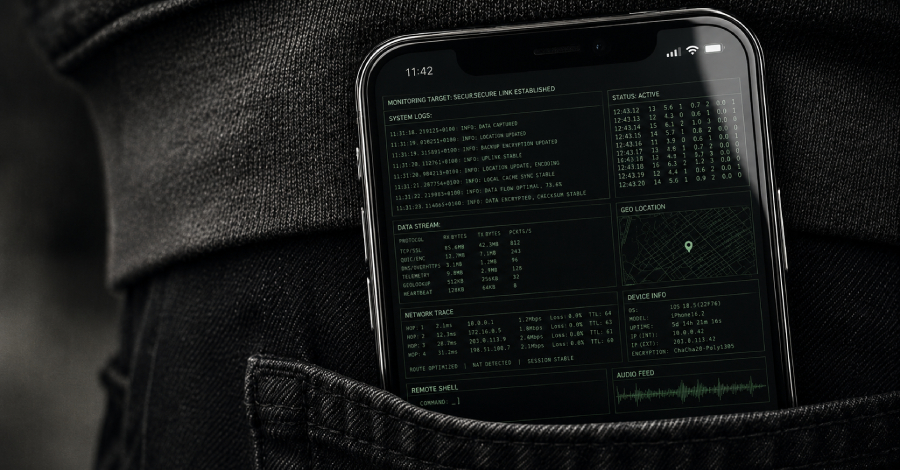

Apple has filed a lawsuit against OpenAI in the Northern District of California, accusing the AI company of orchestrating a systematic scheme to steal Apple’s trade secrets and confidential information to build its own AI hardware device.
The lawsuit, filed Friday, alleges that OpenAI’s hardware lead and former Apple designer Tang Tan, along with former Apple electrical engineer Chang Liu, directed Apple employees who were interviewing at OpenAI to provide confidential details about unreleased devices, components, manufacturing processes, and vendor relationships.
A Pattern of Theft
According to the complaint, Apple uncovered evidence of a months-long operation. OpenAI is alleged to have instructed new hires on how to avoid detection when leaving Apple — including coaching them not to disclose their OpenAI job offers so they could remain at Apple longer and gather more information.
Tang Tan is accused of retaining an internal Apple document marked “Need to Know” that describes security procedures for employee departures. This document, the lawsuit claims, was shared with departing employees before they gave notice, allowing them to evade Apple’s security processes.

Several former Apple employees allegedly emailed themselves confidential information before leaving the company. In one case, an employee was instructed by Tan to “bring some parts” she worked on to her OpenAI interview — including batteries, system-in-packages (SIPs), and logic boards.
Supplier Manipulation
The lawsuit alleges that OpenAI used Apple’s confidential hardware information when approaching Apple’s suppliers. In one instance, OpenAI is said to have tricked a supplier into using a “specific trade secret metal-finishing technique” by claiming it had Apple’s permission to do so.
Former engineer Chang Liu is accused of keeping an Apple-issued laptop after departing and exploiting a vulnerability to download dozens of confidential Apple documents while working at OpenAI. He also allegedly maintained contact with a current Apple employee who continued to provide updates on Apple’s projects and engineering decisions.
Apple’s Statement
In a statement to MacRumors, Apple said: “Recently, significant evidence has emerged suggesting individuals employed by OpenAI wrongfully took Apple’s secret and confidential information regarding our unreleased technologies, processes, and products. We will always defend our teams’ hard work and innovations.”
The lawsuit paints a picture of an AI company under pressure to deliver a hardware device, taking shortcuts at Apple’s expense. “OpenAI has turned to trade secret misappropriation to free-ride off Apple’s decades of innovation,” the complaint reads.
OpenAI’s Response
OpenAI spokesperson Drew Pusateri responded: “We have no interest in other companies’ trade secrets. We remain focused on building innovative technology that empowers people everywhere.”

The lawsuit does not name former Apple design chief Jony Ive — who has been working with OpenAI on a hardware device — nor does it suggest CEO Sam Altman was involved. Apple notes that more than 400 former Apple employees now work at OpenAI.
Apple is seeking an injunction to prevent OpenAI from using or disclosing its technologies, plus unspecified damages. Tan and Liu are also being sued individually for breach of contract.